
Lightguide Simulator — Incure LS217™
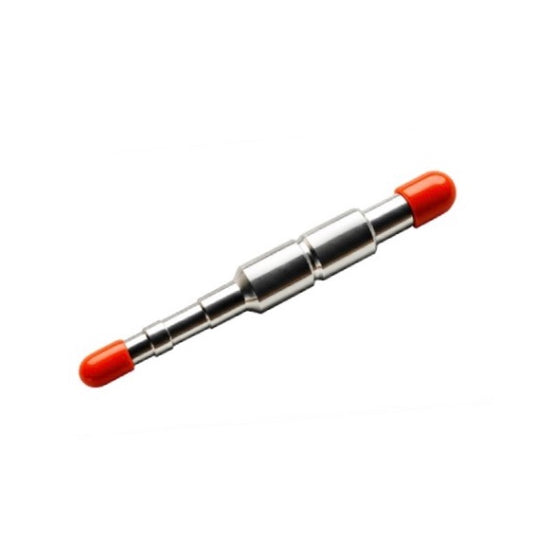
The Incure LS217™ is a transmittance monitoring device for UV spot curing lightguide systems. It connects to the lightguide port in place of the production guide and provides a standardised optical reference measurement — enabling maintenance teams to detect lightguide degradation before it affects cure quality or output.
Product Specifications
Full technical specification for the Incure LS217™ lightguide simulator.
| LS217™ Lightguide Simulator | |
|---|---|
| Image |
|
| Model | LS217™ |
| Function | Lightguide transmittance monitoring |
| Diameter | Ø5mm |
| Connection Type | Standard D |
| Compatible Systems | Standard UV spot curing systems with D-type Ø5mm lightguide port |
| Compatible Source Types | Mercury arc · Xenon · Tungsten halogen |
| Primary Use | Transmittance testing · Incoming inspection · Scheduled maintenance · Process qualification |
Order the Incure LS217™
Transmittance monitoring device for UV spot curing lightguide systems. Standard D connection, Ø5mm diameter.
| Model | Image | Description | Specifications | TDS | Order 4–6 WEEKS ARO |
|---|---|---|---|---|---|
|
Incure
LS217™
Lightguide Simulator
|
|
Incure LS217™ is a lightguide transmittance monitoring device for UV spot curing systems. It connects to the lightguide port of a UV spot curing lamp in place of the production lightguide and provides a standardised optical reference measurement. By comparing readings against the established baseline over time, operators can detect degradation in lightguide transmission efficiency before it leads to under-curing or process failure. Ø5mm Standard D connection for broad system compatibility. |
Model: LS217™ Diameter: Ø5mm Connection: Standard D Function: Transmittance monitoring Compatible: Mercury arc · Xenon · Halogen UV spot systems |
TDS |
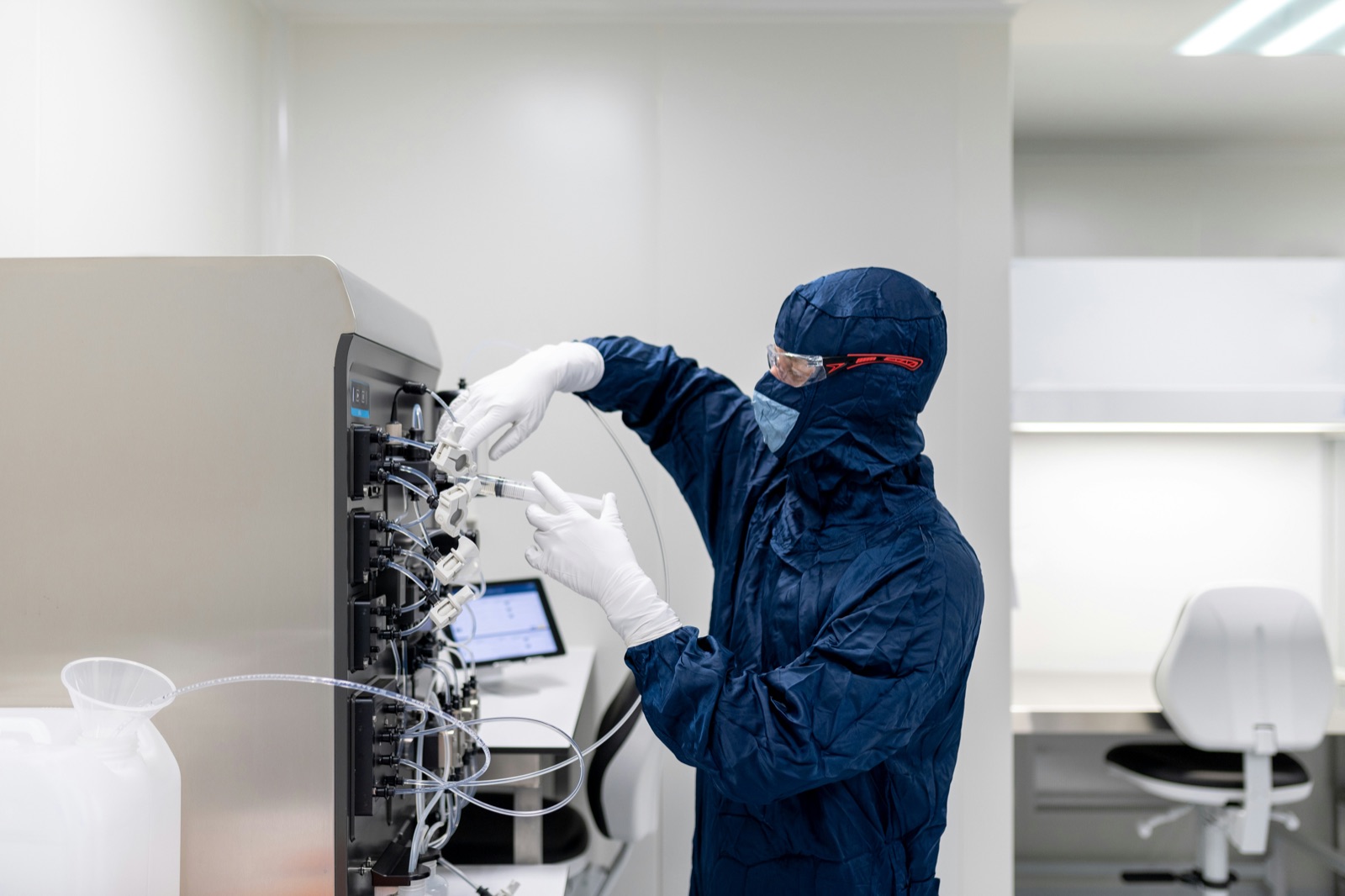
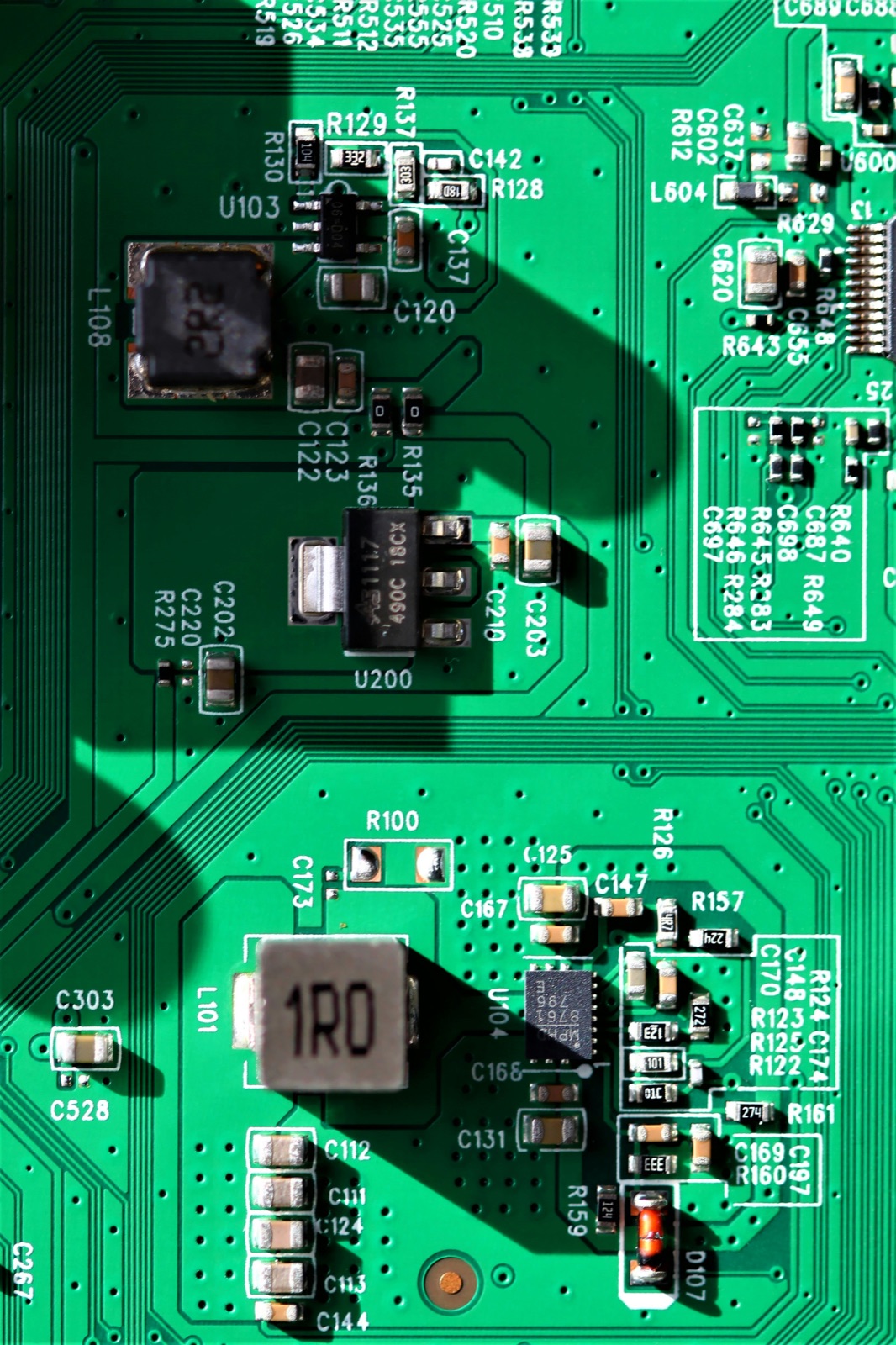
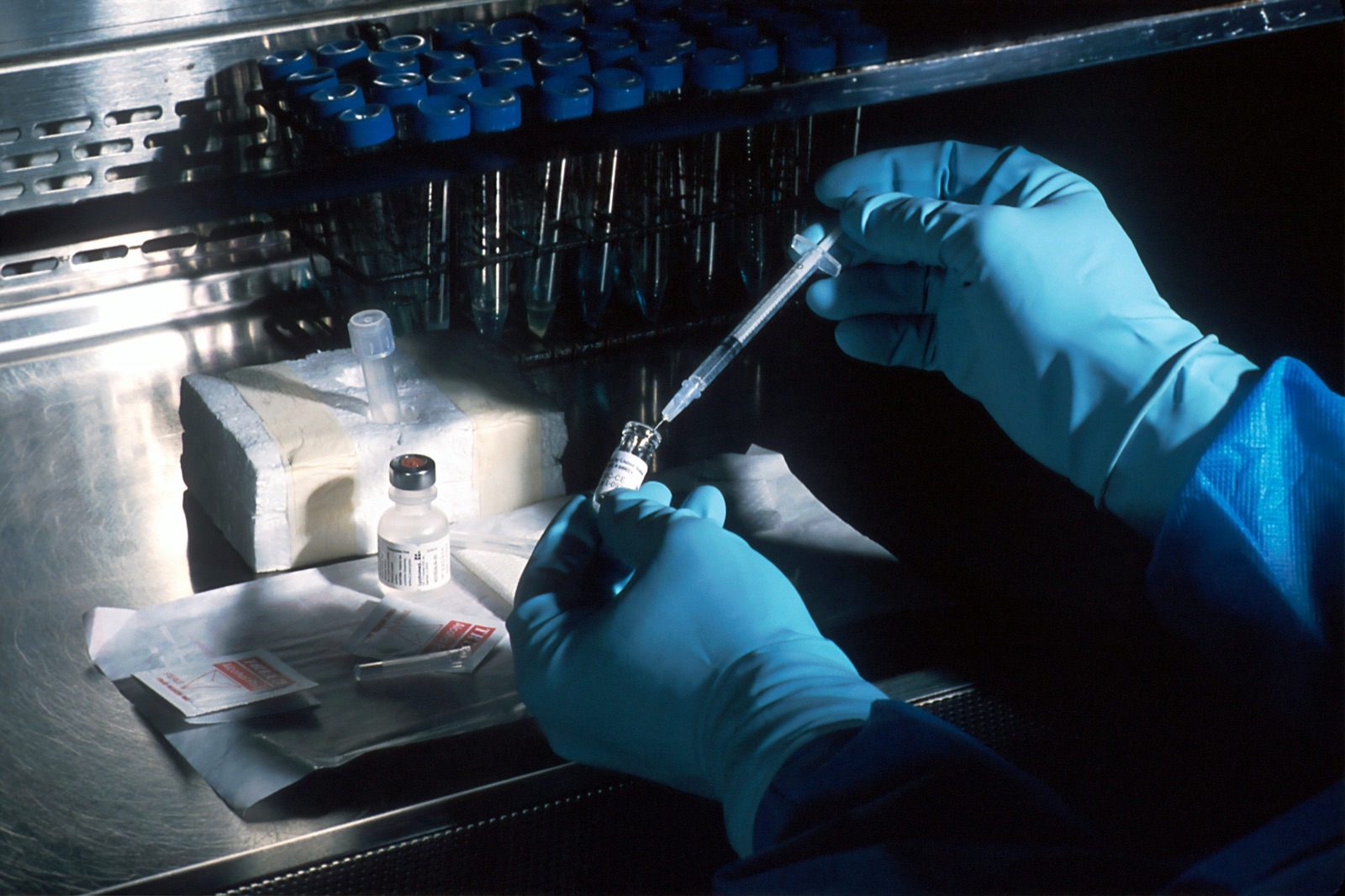
UV Curing Process Assurance
The LS217™ is used wherever consistent UV dose delivery is critical —
from regulated medical device manufacturing to high-volume electronics assembly.



Frequently Asked Questions
Common questions about the Incure LS217™ lightguide simulator.
-
A lightguide simulator measures the optical transmittance of a UV lightguide — the fraction of source UV energy that successfully reaches the delivery end of the guide. Over time, UV lightguides degrade: the liquid core darkens, fibres crack, or connector surfaces become contaminated. The Incure LS217™ provides a standardised reference reading so that transmittance loss can be tracked and replacement scheduled before cure quality is affected.
-
Testing frequency depends on production intensity and process criticality. A common schedule is monthly for low-intensity processes and weekly for high-intensity or regulated manufacturing such as medical devices. Incoming inspection of each new lightguide is also recommended to establish a baseline transmittance value before the guide enters production.
-
The Standard D connection is the most widely used mechanical interface for UV spot curing lightguides in industrial and laboratory UV systems. It provides a repeatable, optically aligned connection between the lightguide and the lamp source port. The Incure LS217™ uses this connection type for broad compatibility with standard UV spot curing systems using mercury arc, xenon, or halogen sources.
-
The Incure LS217™ is compatible with standard UV spot curing systems that accept a Ø5mm Standard D lightguide connection. This includes mercury arc, xenon, and tungsten halogen UV spot lamp systems. Contact support@uv-incure.com with your system model to confirm compatibility before ordering.
-
A common industry threshold is replacement when transmittance falls below 70–80% of the original baseline reading. The exact threshold depends on your process requirements — a tightly specified cure dose may require earlier replacement. Incure recommends establishing a process-specific threshold during initial qualification and documenting it in your maintenance procedure.
-
No. The Incure LS217™ is a diagnostic and maintenance tool, not a production lightguide. It occupies the lightguide port in place of the production guide to measure system transmittance and is then removed before production resumes. It does not deliver UV light to a bond site and must not be used as a substitute for a production lightguide.