UV Glass & Metal Bonder — Uni-Weld™
UV-curable structural adhesives formulated for precision bonding of glass, metal, and dissimilar substrate assemblies. From ultra-low viscosity wicking grades for needle bonding to high-viscosity thixotropic gels for vertical glass applications — instant UV cure replaces slow epoxies and mechanical fasteners across the full range of glass and metal assembly processes.
Technical Specifications
Built for Glass and Metal Assembly
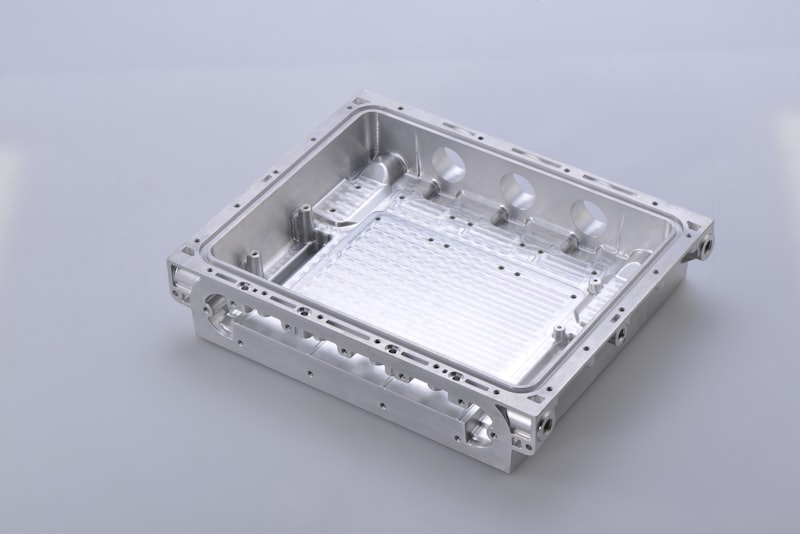
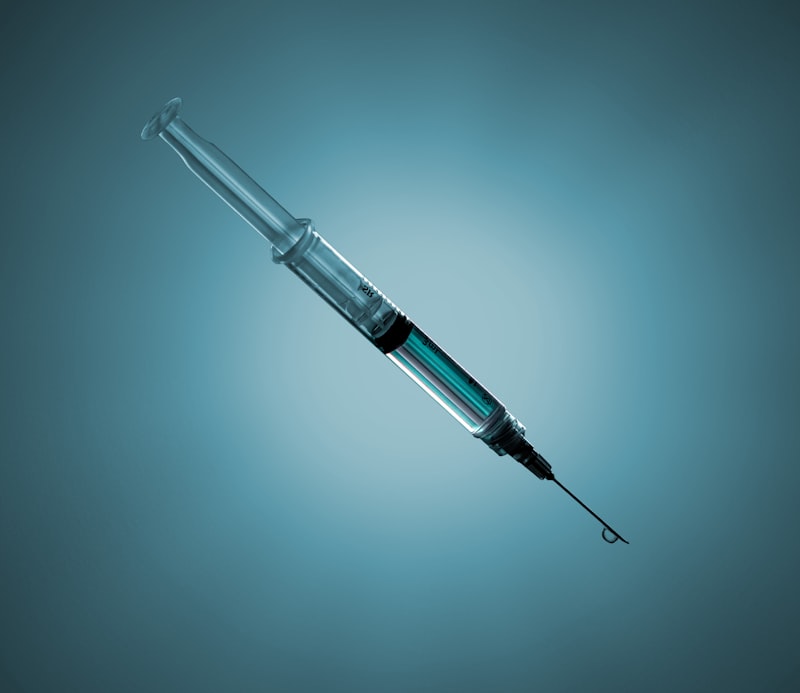
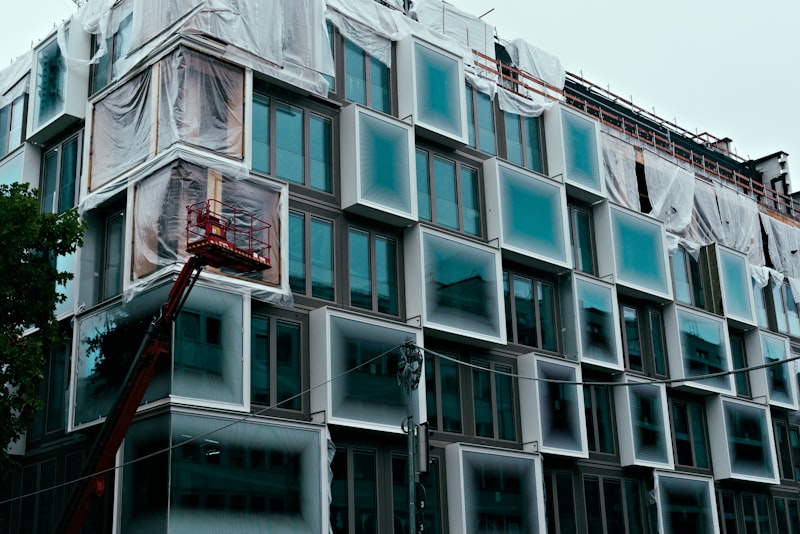
Uni-Weld™ glass and metal bonding formulations are specified across automotive, electronics,
furniture, and industrial sectors wherever high-strength or optically clear bonds are required.
Frequently Asked Questions
Common questions about Uni-Weld™ UV glass and metal bonder adhesives.
-
Uni-Weld™ UV glass and metal bonders achieve a functional cure in seconds under a UV lamp at the recommended wavelength (typically 365 nm). Full mechanical strength is reached within seconds to a few minutes depending on the grade, lamp intensity, and bond line thickness. This instant on-demand cure is one of the key advantages over two-part or heat-cure adhesives.
-
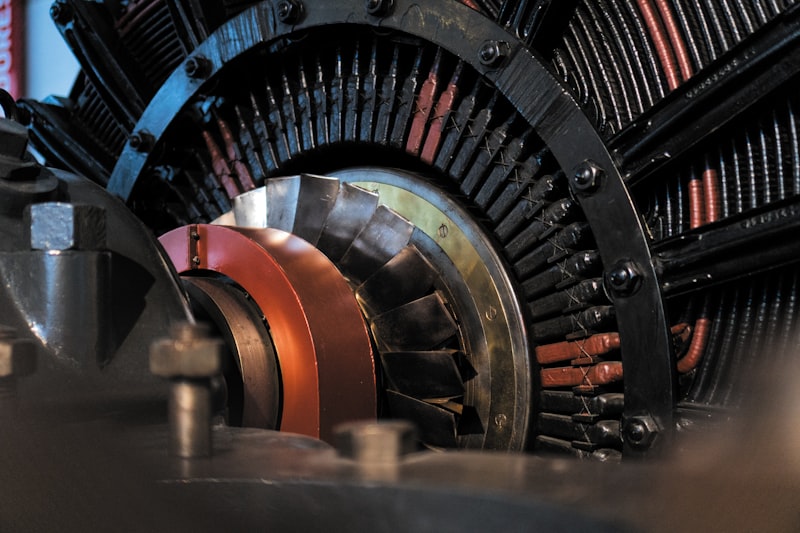
Yes. Uni-Weld™ glass and metal bonder formulations are specifically engineered for glass-to-metal and glass-to-glass structural joints. High tensile strength grades deliver reliable bonds on ferrous metals, aluminum, and stainless steel substrates, making them suitable for motor magnet bonding, metal housing assembly, and industrial equipment fabrication.
-
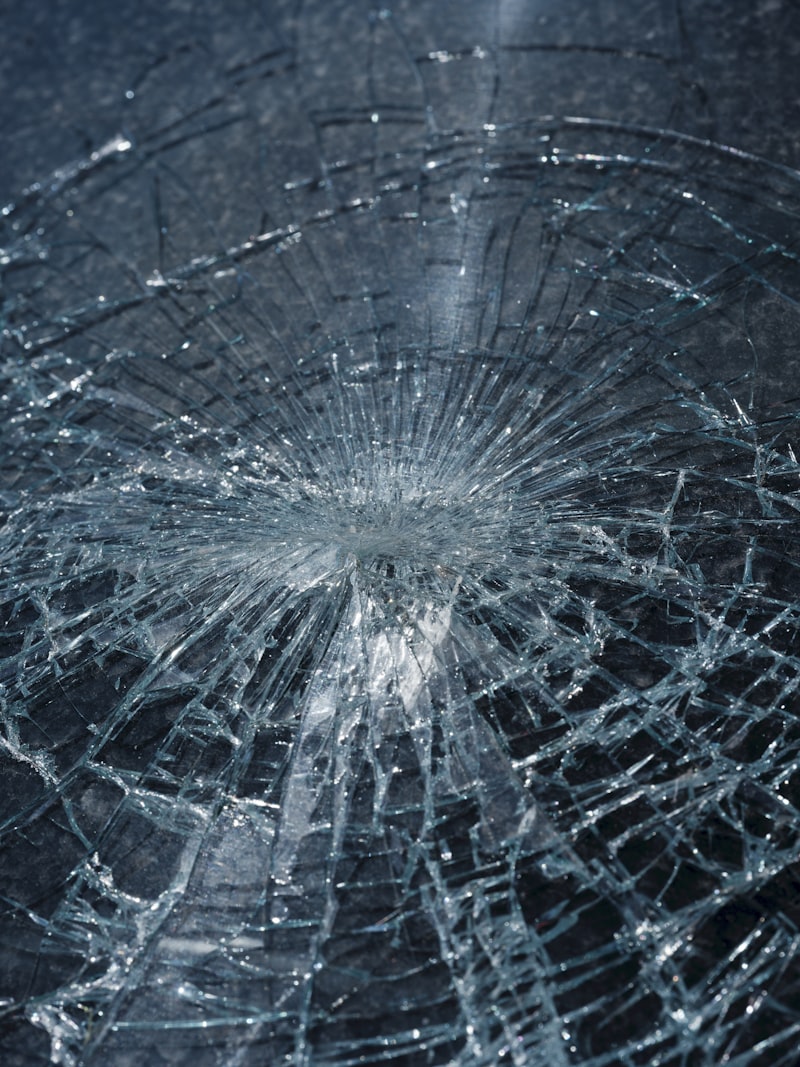
For wicking into narrow gaps, windshield crack repairs, and needle-to-hub assemblies, choose a low-viscosity grade (under 200 cP). For positioning on vertical glass surfaces, dam-and-fill dispensing, or active optical alignment, use a high-viscosity thixotropic gel that holds position without sagging. Our technical team can recommend the right grade for your dispense method and joint geometry.
-
Yes. Cured Uni-Weld™ bonds maintain structural integrity under continuous vibration and thermal cycling. The specific service temperature range depends on the grade selected. For electromechanical applications such as DC motor magnet bonding, grades are chosen for their ability to resist constant pull forces combined with thermal cycling typical of those environments.
-
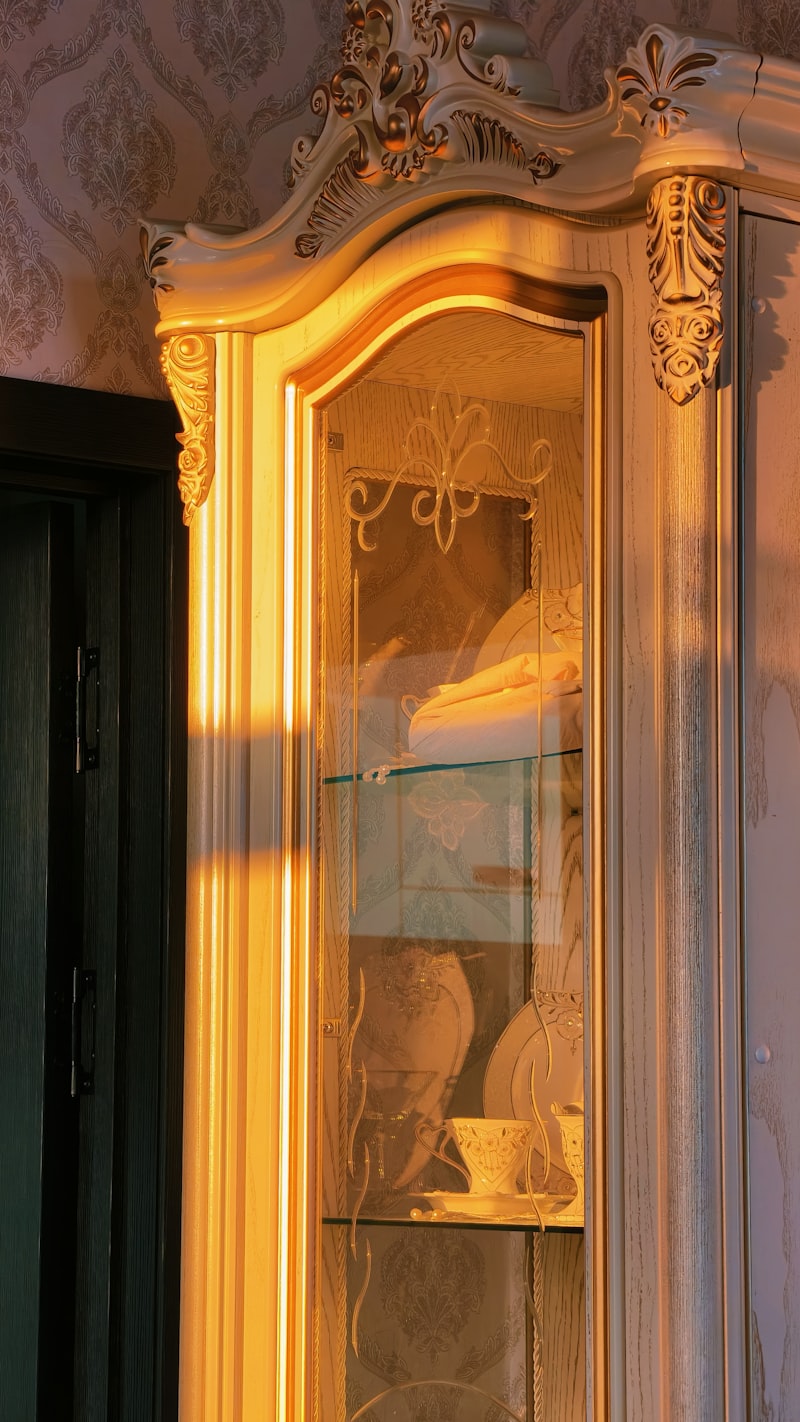
Non-yellowing grades are available specifically for glass furniture, display case, and retail display bonding. These formulations maintain optical clarity and crystal aesthetics under sustained UV and thermal exposure. Always select a non-yellowing optical-grade formulation for applications where bond-line discolouration would be visible.
-
Standard UV-cure grades require UV light access to the bond line. For assemblies with shadowed or inaccessible areas, dual-cure UV/anaerobic or UV/heat grades are available — these cure UV-exposed sections instantly and allow the shadowed portions to cure through the secondary mechanism. Contact our team to identify the right dual-cure option for your assembly.